


Laboratory Services
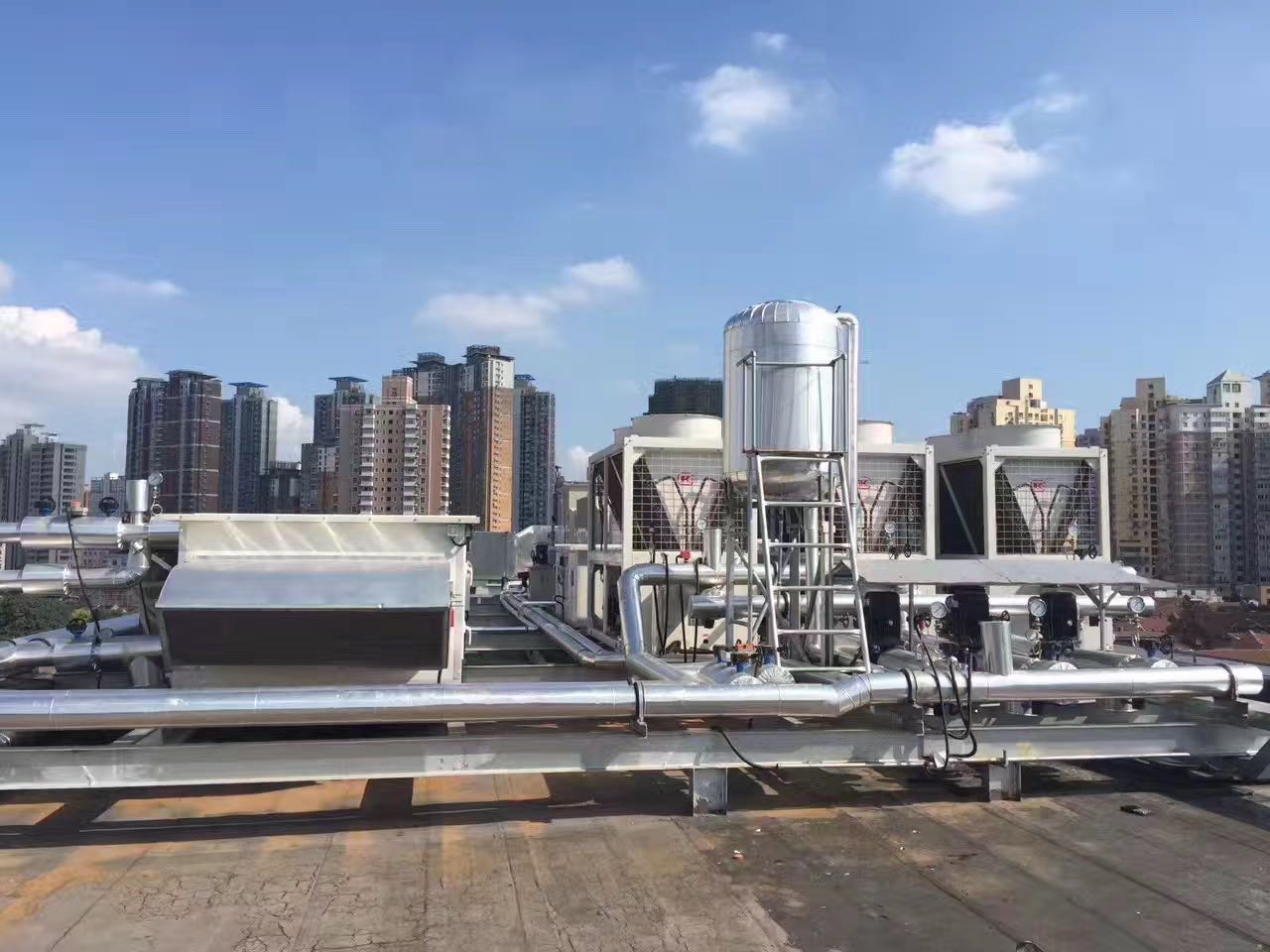
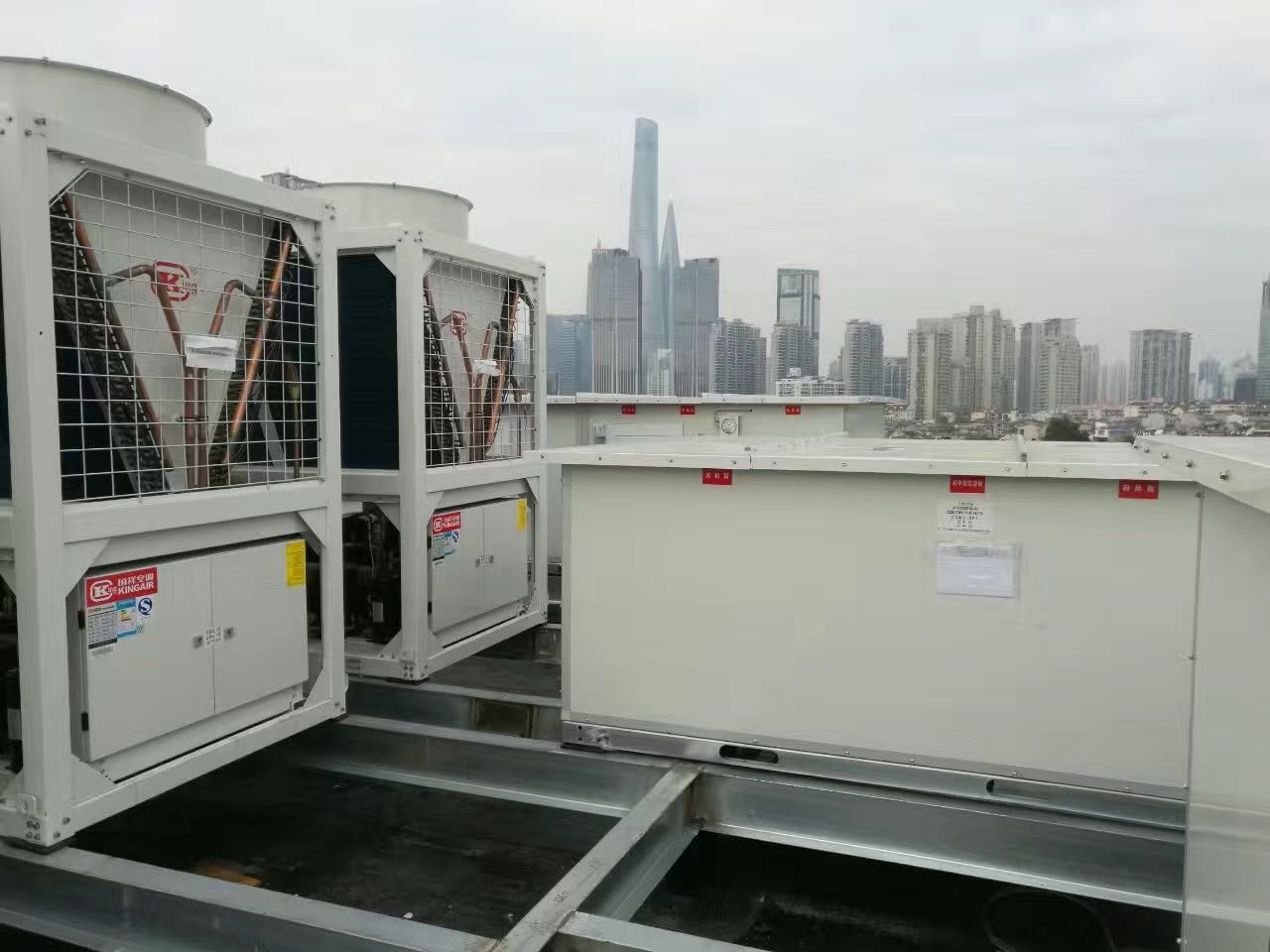
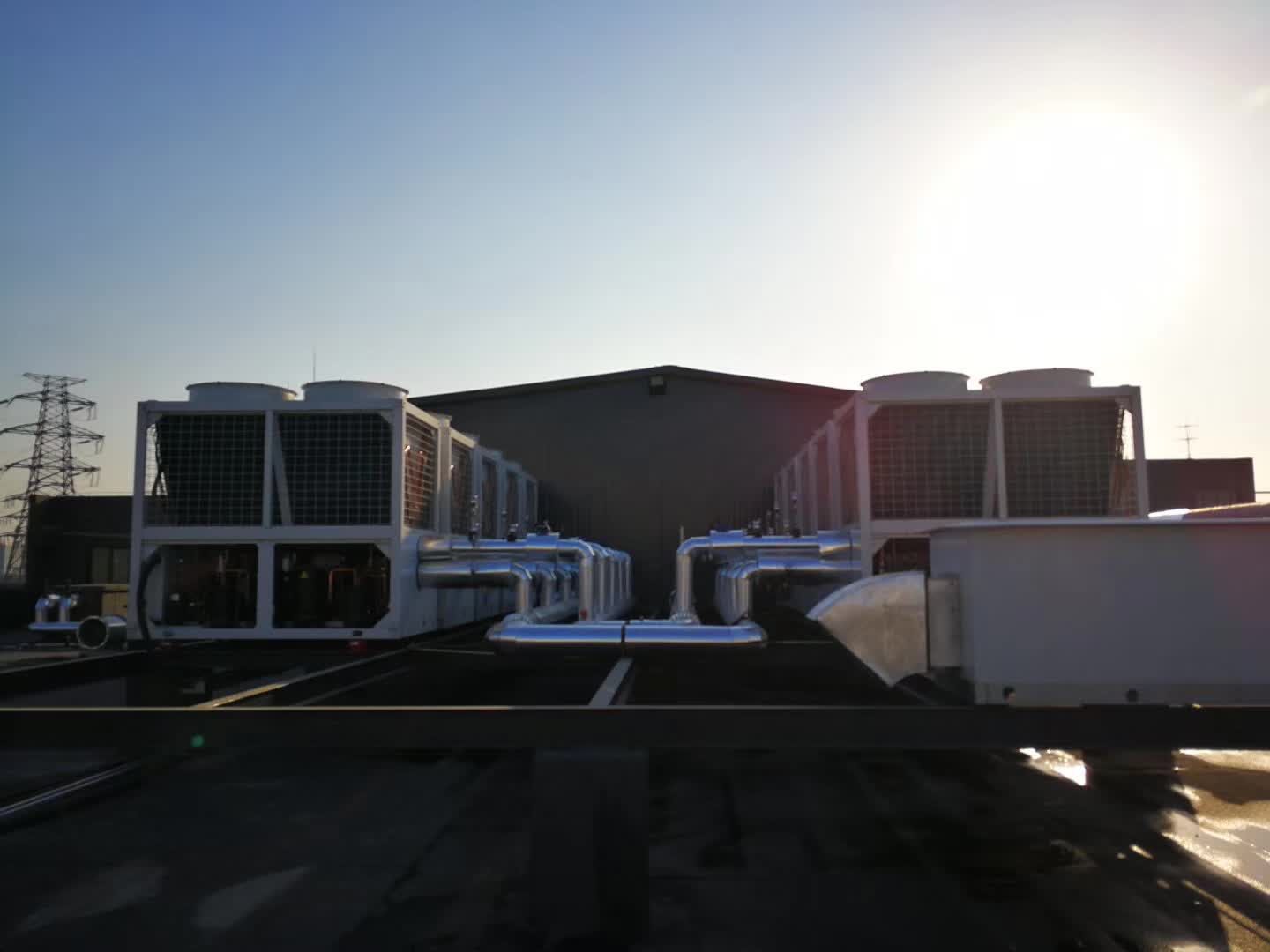
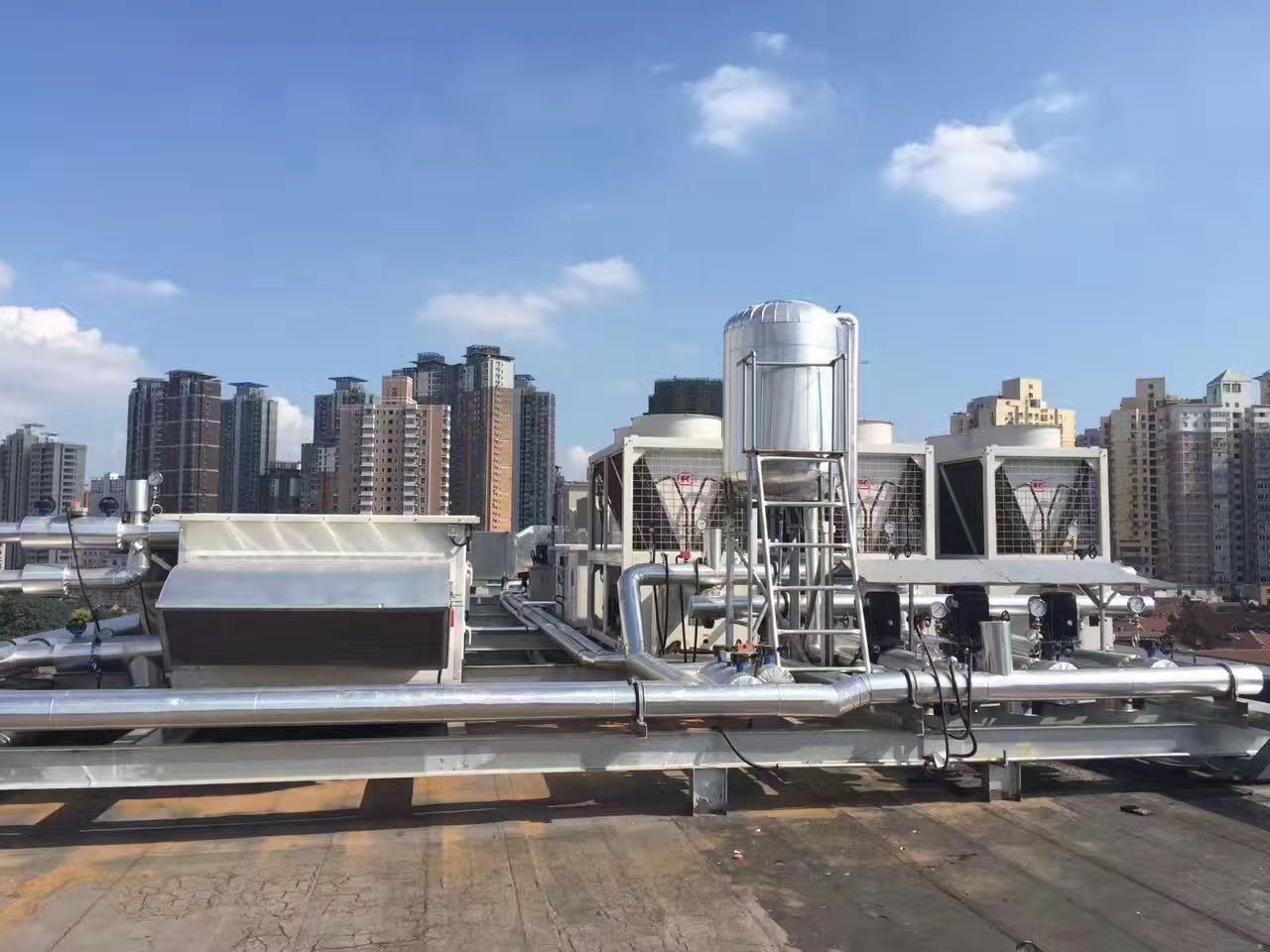
Design principles: implement the concepts of environmental protection, energy conservation and comprehensive utilization of resources. The optimal design scheme is selected by comprehensively considering the investment, operation cost, service life of the equipment and other factors and combining the exhaust, air supplement, air supply and air return schemes. In order to save energy, the equipment capacity should be rationally selected and the automatic control facilities should be used to ensure that the load should be automatically adjusted under different experimental conditions. The combination of fixed air volume, variable frequency, variable air volume and adaptive scheme should be considered. The VCmainly lies in the ventilation system design. The material of exhaust pipe is FRP inorganic resin material, also can be used PVC material or PP material wind pipe inner wall should be made rough surface, can reduce wind noise, the use of circular or giant can be, the diameter of 250-500mm, according to the requirements of exhaust air size. Determination of type of FRP anti-corrosion fan :(1) axial flow fan, single fume hood, single atomic absorption hood with small air volume. (2) Oblique flow fan, double fume hood, double atomic absorption hood, slightly large air volume. (3) Centrifugal fans, multiple fume cupboards or when large air discharge is needed. (4) Roof fans (same as above) are optional. The anti-corrosion fan should be installed on the outdoor roof, the air outlet should be equipped with rainproof, bird cover, shock absorber, reverse wind valve, muffler. If the laboratory is an air-conditioned room with fume hood, the air supplement device should be designed rationally to avoid wasting energy.